Simple House Font: A Sweet Handwritten Touch for Any Project
You know that feeling when you see a design and it just makes you smile? That is exactly the vibe Simple House Font brings to the table. It is not trying to be fancy or overly refined. Instead, this handwritten font leans into being sweet, friendly, and genuinely fun. Think of it as the typographic equivalent of a warm hug or a hand-written note from a close friend. For designers, small business owners, content creators, and hobbyists who want to inject a dose of genuine personality into their work, Simple House Font offers an accessible and charming solution. It sidesteps the sterility of many digital typefaces and opts for a warmth that feels refreshingly human.
The Visual Charm and Personality of Simple House Font
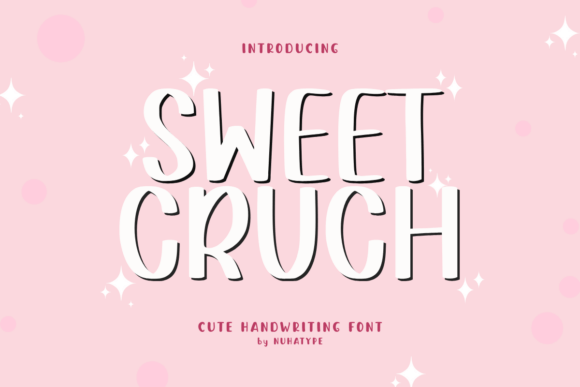
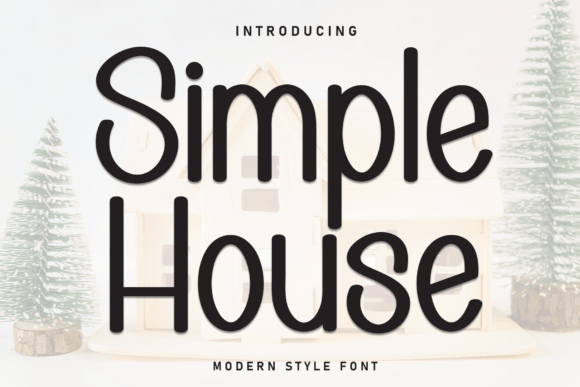
At its core, Simple House Font is a handwritten font that embraces imperfection in the best way. The letterforms are rounded and bouncy, with a playful rhythm that immediately signals approachability. You won’t find sharp, rigid angles here. Instead, each character feels like it was drawn with a relaxed hand, giving the typeface a casual, unpretentious character. This is a script font that leans toward the informal side, making it an excellent choice for projects where you need to convey warmth and sincerity.
What sets it apart from many other handwritten options is its consistent readability. While it looks doodled and carefree, the letter shapes are clear and distinct. The lowercase letters flow smoothly, and the uppercase versions add a bit of bounce without becoming distracting. This balance between playful and legible is a real strength. It avoids the common pitfall of handwritten fonts where style completely overpowers function. Here, the personality enhances the message rather than obscuring it. The overall style suggests a mix of modern typography sensibilities with a nostalgic, almost crayon-like softness. It feels current but also carries a hint of childhood joy.
Where Simple House Font Makes the Biggest Impact
The question is not really where you can use Simple House Font, but where it will shine brightest. Because of its sweet and friendly nature, it excels in contexts that require a personal, heartfelt, or celebratory tone. For example, logo design for a bakery, a kids’ clothing brand, a handmade soap company, or a neighborhood coffee shop would benefit enormously from its friendly character. The font instantly communicates that the brand is approachable, caring, and human-centered. It is a natural fit for any business that wants to be seen as a friend rather than a faceless corporation.
Beyond logo design, this display font is a fantastic option for wedding invitations, birthday cards, thank-you notes, and other event materials. The sweet character of the font adds a layer of emotional depth that standard serif or sans serif fonts simply cannot replicate. It suggests a personal touch, as if the invitation itself were lettered by hand. For social media graphics, especially those for lifestyle bloggers, crafters, or small business owners sharing their journey, Simple House Font stands out in a crowded feed. It brings a human element to digital content that can help foster a sense of connection with your audience. It works beautifully for quotes, announcements, and promotional posts that aim to be friendly and engaging.
In the realm of packaging design, this font is a star. Picture it on a box of artisan cookies, a jar of homemade jam, or a tag on a hand-sewn toy. The handwritten quality tells a story of craftsmanship and care. It also has a place in editorial design for children’s books, lifestyle magazines, or creative blogs where a playful header or accent is needed. In web design, using Simple House Font for headings and call-to-action buttons can soften the digital experience, making a website feel more inviting and less technical. It works particularly well as a creative font for hero sections or pull quotes where you want to capture attention and evoke a specific mood. Even for internal communications, such as team newsletters or company culture decks, this font can make mundane announcements feel more personal and appreciated.
How This Font Shapes Readability, Brand Perception, and Engagement
Choosing a handwritten font like Simple House Font has direct implications for how your content is received. Let’s talk about readability first. Because the letterforms are clean and well-defined, this font maintains good legibility even at smaller sizes, provided there is enough contrast with the background. However, it shines as a display or heading font where its personality can take center stage. For body text in longer paragraphs, pairing it with a clean sans serif font or a neutral serif font is highly recommended to ensure comfortable reading. The handwritten style can become tiring on the eyes over long stretches, but for short bursts of text, it is wonderfully engaging.
Regarding brand perception, this typeface immediately signals a friendly, approachable, and often creative identity. A brand using Simple House Font is likely perceived as small-scale, artisanal, or community-focused. It suggests that the business values genuine connection and emotional resonance over corporate polish. This can be a powerful asset for brands looking to build trust and loyalty among a target audience that appreciates authenticity. It is not the right choice for a law firm, a financial institution, or a high-tech corporation, but for many creative and service-oriented businesses, it is a perfect match. It helps establish a brand identity that feels both professional and personal.
Audience engagement is another area where this font can make a difference. Because it mimics handmade lettering, it naturally invites interaction. People are more likely to read a sign or a social media post that looks like it was written by a person rather than a machine. It creates a visual pause and encourages closer examination. This can lead to higher click-through rates on emails, longer dwell time on website headers, and a stronger emotional connection with printed materials. For content creators and publishers who rely on audience connection, this is a valuable asset. The font does the work of making your content feel more like a conversation and less like a broadcast.
Practical Tips for Choosing and Using Simple House Font
When evaluating Simple House Font for your project, first consider the overall tone you want to achieve. This font is inherently jovial and sweet. If your project needs a serious, authoritative, or ultra-modern look, this is not the right fit. But if warmth, charm, and approachability are your goals, you are on the right track. Next, think about your audience. Younger demographics, creative communities, and anyone who values handmade aesthetics will respond well to this typeface. For a wedding invitation or a children’s party announcement, it is almost a guaranteed win.
Testing font pairing is essential. Simple House Font pairs beautifully with minimalist sans serif fonts like Montserrat, Open Sans, or Lato. The clean lines of a neutral sans serif provide a calm backdrop for the playful handwritten style. Alternatively, pairing it with a light serif font can create a charming contrast between the structured and the freeform. Avoid pairing it with another strong script or display font, as that can create visual chaos. Stick to one statement font and let everything else support it. When using it in logos or headers, give it plenty of whitespace to breathe. This font does not need to be crowded; it speaks clearly on its own.
Review the font styles included in the purchase. Some premium font packs include multiple weights or alternates, which can add versatility to your projects. Having a regular and a bold version, or a set of swashes, allows you to use the typeface across different contexts while maintaining visual consistency. If you are building a brand identity, having a range of styles is invaluable for creating hierarchy and emphasis without breaking the visual theme. Also, pay attention to commercial licensing. If you are using the font for client work, products for sale, or any commercial application, ensure you have the appropriate license. Many commercial font options require a separate license for business use, so it is a critical step to avoid legal issues down the road. Always read the terms from the foundry or marketplace where you purchase it.
For readability considerations, test the font at different sizes and on various backgrounds. Handwritten fonts can sometimes lose clarity on busy backgrounds or at small sizes. Use it primarily for headlines, subheads, short paragraphs, or accent elements. For longer text, as mentioned, pair it with a more neutral serif font or sans serif font. Also, consider the color contrast. A dark gray on white or a deep pastel on a light background often works best. Avoid low-contrast combinations that can make the delicate letterforms hard to read. With these practical steps, you can harness the full potential of Simple House Font as a reliable design asset in your toolkit.
In the end, Simple House Font is more than just a typeface. It is a tool for connection. Whether you are a marketer crafting a campaign that needs a human voice, a small business owner building a brand from the ground up, or a blogger looking to add personality to your content, this font offers a straightforward way to achieve that goal. It brings a smile, invites trust, and makes your designs feel handcrafted. That is a powerful combination in a world that craves authenticity. So go ahead, let your next project speak with a friendly, handwritten voice. Simple House Font gives you the words. All you need to do is type them.